
When Is The Best Time to Visit Toronto? (2025)
Toronto is one of the most vibrant and diverse cities in North America. From iconic Canadian landmarks and major international events to sprawling parks, outdoor adventures, and a world-class food scene, the city has something for every type of traveller. But when exactly is the best time to visit Toronto?
I’ve lived in Toronto since 2018 and have experienced every season in full—yes, including those icy winter days and hot, humid summers. Over the years, I’ve learned the best times to visit for ideal weather, annual events, and seasonal attractions, along with the pros and cons of each season.
So if you’re wondering when to plan your trip, this complete seasonal guide to Toronto (from a local!) will help you decide.
Chasing Chanelle contains affiliate links and is a member of the Amazon Services LLC Associates Program. If you make a purchase using one of these links, we may receive compensation at no extra cost to you. We only recommend products and services we use and trust. Read our disclaimer for more information.
Quick Overview: When Is the Best Time to Visit Toronto?
Toronto is a fantastic city with plenty to do year-round—but the best time to visit depends on what kind of trip you’re looking for.
For warm weather, outdoor adventures, and lively festivals, summer is the most popular time to visit. The city comes alive with events, bustling patios, and a vibrant energy that makes it perfect for exploring on foot.
Prefer to avoid the crowds? Spring and fall are great shoulder seasons. You’ll enjoy mild, comfortable weather and lower hotel prices—plus fewer tourists at major attractions. In fall, the city’s parks burst into colour with stunning foliage, while spring brings cherry blossoms, blooming gardens, and a renewed buzz as locals emerge from winter hibernation.
And, for those who don’t mind the cold, winter in Toronto has its own charm, especially if you love the festive season. Think holiday markets, outdoor skating rinks, and cozy indoor attractions. Just come prepared for chilly temps!
Climate in Toronto
Toronto has four distinct seasons, each bringing its own charm—and weather challenges.
Summers are warm and often humid, while winters are cold with a mix of snow, ice, and freezing temperatures. Spring and fall offer more comfortable weather but can be unpredictable. In fact, I’ve seen 20°C (68°F) sunshine and snow—in the same week—more than once!
If you’re planning a trip, it helps to know what to expect in each season:
Summer (June to early September)
Expect warm, humid weather with average highs between 20°C and 30°C (68°F to 86°F). July is typically the hottest month, and warm weather can last well into September.
Winter (December to February)
Toronto winters are cold, especially in January and February, with temperatures between -10°C and -20°C (14°F to -4°F). Snow is common, but in downtown areas it often melts quickly.
Spring (March to May)
Spring brings a mix of chilly and mild days, with temps between 10°C and 20°C (50°F to 68°F). Early spring can still feel wintry, but by May, the city is blooming with flowers and cherry blossoms.
Fall (September to November)
Fall is one of the most scenic times to visit, with colourful foliage and crisp, comfortable weather in the 10°C to 20°C (50°F to 68°F) range. Late fall can start to feel like winter, especially in November.
When to Visit Toronto: Season-by-Season Guide
Each season in Toronto has its own charm, with distinct weather, activities, and events to enjoy. Here’s a breakdown of what to expect throughout the year so you can plan your perfect trip.
Summer (June to August)
Why Visit in Summer?
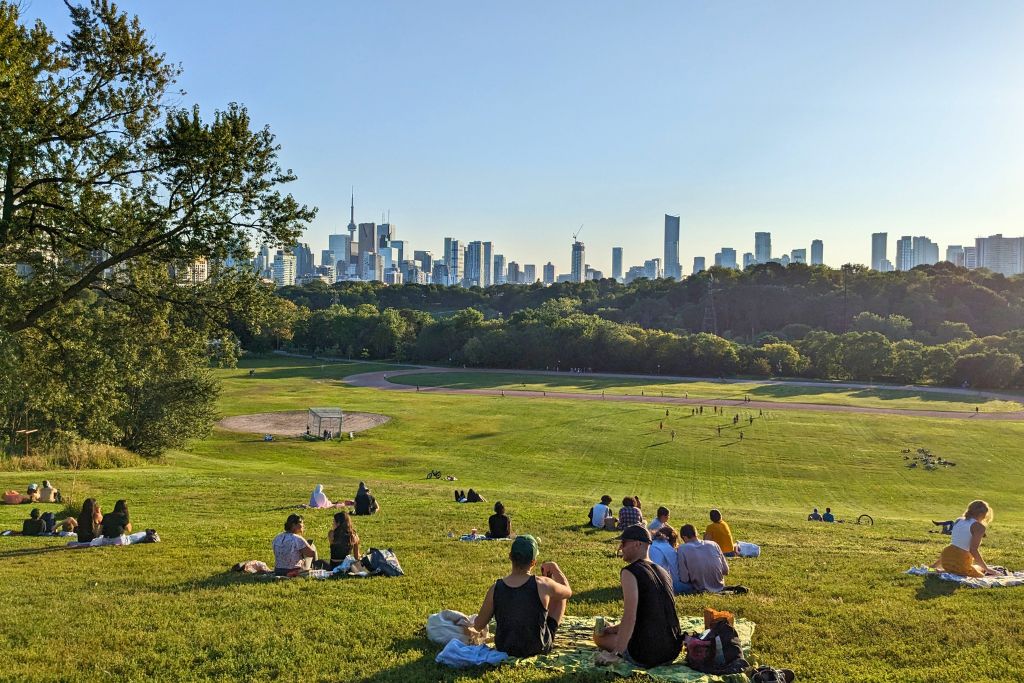
Toronto truly comes alive in summer. With long sunny days, lively festivals, and packed patios, it’s the most popular time to visit. Beaches, green spaces, and events fill the city with energy—perfect if you want to explore outdoors and dive into Toronto’s vibrant culture.
Top Summer Events
Summer is packed with can’t-miss events like:
- 🏳️🌈 Pride Toronto – One of the largest Pride celebrations in the world, with a massive parade, live music, and community events.
- 🎉 Toronto Caribbean Carnival (Caribana) – A high-energy festival with vibrant costumes, Caribbean music, and a huge street parade.
- 🎷 Beaches International Jazz Festival – A multi-week music festival featuring live jazz, blues, and Latin performances across outdoor stages.
- 🎡 Canadian National Exhibition (CNE) – A classic end-of-summer fair with midway rides, carnival games, food stands, and concerts.
You’ll also find open-air concerts, street festivals every weekend, and live sports—including Blue Jays games at the Rogers Centre and shows at Budweiser Stage.
Best Things to Do in Summer
- Visit the Toronto Islands and soak up the sun at the beach
- Bike or walk the extensive waterfront trails
- Take a boat ride on Lake Ontario
- Explore vibrant neighbourhoods like Kensington Market and Queen West
- Unwind in green spaces like High Park or Trinity Bellwoods
- Grab food and drinks on one of the many rooftop or sidewalk patios
- Experience Toronto’s nightlife in the Entertainment District, especially around King and Portland—it’s always packed and buzzing until the early hours of the morning!

Downsides of Visiting in Summer
While summer is exciting, as it’s peak season it also comes with:
- Crowds at major attractions and events
- Higher prices for hotels and flights
- Hot, humid days, often over 30°C (86°F)
If you don’t enjoy heat or crowds, you may prefer spring or fall.
Fall (September to November)
Why Visit in Fall?
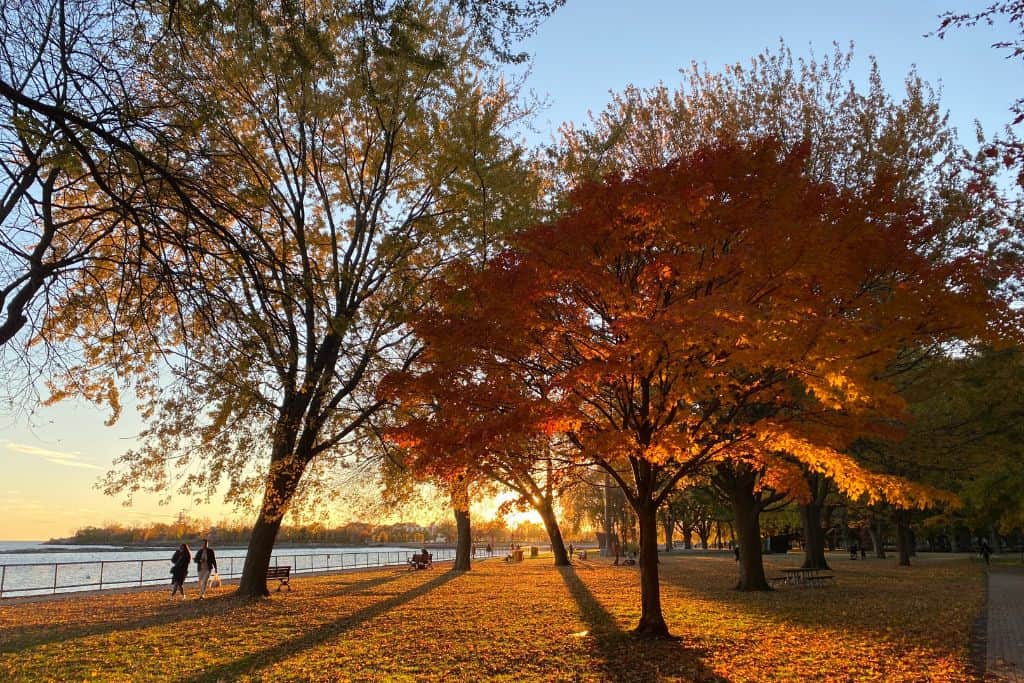
Fall is one of the most beautiful times to visit Toronto. The weather is comfortably cool, perfect for walking tours and outdoor adventures. The city’s tree-lined streets and expansive parks light up in rich shades of red, orange, and yellow — offering a stunning backdrop with fewer crowds than summer.
Top Fall Events
- 🎬 Toronto International Film Festival (TIFF): A global event drawing major celebrities and film fans in early September.
- 🎨 Nuit Blanche: An all-night citywide art festival in October with installations and interactive exhibits.
- 🎃 Halloween Attractions: Including Legends of Horror at Casa Loma and Halloween Haunt at Canada’s Wonderland.
- 🍺 Fall Food & Drink Festivals: Like Toronto Oktoberfest and Fall Beer Fest TO.
Best Things To Do in Fall
- Hike through vibrant fall foliage in High Park, Don Valley Trails, Scarborough Bluffs, or Rouge National Urban Park.
- Take a fall colours road trip to Dundas Peak or Rattlesnake Point.
- Visit Niagara Falls on a day trip — it’s especially scenic this time of year.
- Embrace the harvest season: go apple picking, visit a pumpkin patch, or tour wineries in Niagara-on-the-Lake.
- Cozy up at local cafés or dine at farm-to-table restaurants serving seasonal dishes.
Downsides of Visiting in Fall
Fall weather can swing between warm sunshine and sudden chilly rain. Pack layers and a compact umbrella. Hotel prices are more affordable than summer, but rates may spike in early September during TIFF.
Winter (December to February)
Why Visit in Winter?
Winter is one of the most underrated times to visit Toronto. The city embraces the season with outdoor skating rinks, holiday markets, cozy cafés, and cultural events. While it can be cold, there’s a festive charm in the air—and endless ways to enjoy it. Whether you’re wandering through twinkling lights downtown or warming up inside a museum, Toronto in winter offers a uniquely magical experience.
Top Winter Events
- 🎄 Distillery District Winter Village – A charming holiday market with festive lights, artisan vendors, and seasonal treats.
- 🎪 Holiday Fair in the Square – A downtown event with food stalls, rides, and a cozy winter carnival vibe.
- ✨ Cavalcade of Lights – Watch Nathan Phillips Square light up with holiday cheer, complete with a tree lighting and skating.
- 🍽️ Winterlicious – In late January and February, enjoy prix-fixe menus at some of Toronto’s best restaurants.
Best Things to Do in Winter
- Go skating at outdoor rinks like Nathan Phillips Square, Harbourfront Centre, or the Bentway Skate Trail.
- Take a peaceful winter walk (or try cross-country skiing) at High Park or the Toronto Islands.
- Explore top cultural spots like the Royal Ontario Museum (ROM) and Art Gallery of Ontario (AGO).
- Shop at the Eaton Centre, catch a performance in the Entertainment District, or discover hidden local cafés.
- For a winter escape, head north to Blue Mountain for skiing, snowboarding, or a relaxing soak at the Scandinave Spa.
Downside to Visiting in Winter
Toronto winters are cold, especially in January and February, with temperatures ranging from -10°C to -20°C (14°F to -4°F). Snow, ice, and wind are common, so it’s essential to pack warm layers, gloves, and good footwear. If you’re not a fan of winter weather, this might not be your ideal season—but if you are, it’s a cozy and festive time to visit.

Spring (March to May)
Why Visit in Spring?
Spring is a beautiful shoulder season in Toronto, as the city comes alive with blooming flowers, longer days, and a renewed energy. It’s a fantastic time to explore on foot, enjoy outdoor patios, and take in the sights without the peak-season crowds.
With milder temperatures and lower hotel rates, spring offers a more relaxed, budget-friendly way to experience the city. And nothing beats the charm of Toronto’s parks and neighbourhoods as they burst back into colour after a long winter.
Top Spring Events
- 🎬 Hot Docs – One of the world’s largest documentary film festivals, held in late April and early May.
- 📚 Toronto Comic Arts Festival (TCAF) – A beloved indie comic and graphic arts event in May.
- 🏛️ Doors Open Toronto – Explore 100+ historic, cultural, and architectural sites for free over one weekend in May.
Best Things to Do in Spring
- See cherry blossoms in bloom at High Park, Trinity-Bellwoods, or on the Toronto Islands—typically in late April or early May.
- Wander the Martin Goodman Trail or explore Edwards Gardens and the Toronto Botanical Garden for more spring colour.
- Discover Toronto’s unique neighbourhoods like Queen Street West, Kensington Market, and Little Italy—full of cafés, art, and local shops.
- Browse seasonal produce and local specialties at the St. Lawrence Market or a weekend farmers’ market.

Downsides of Visiting in Spring
Spring weather can be unpredictable. Expect temperatures between 10°C and 20°C (50°F to 68°F), but be prepared for cold snaps or rainy days—especially in March and early April. Layers and a rain jacket are a must.
And, while crowds are much smaller than in summer, cherry blossom season (especially at High Park) can still attract large numbers of visitors for a few peak days.
FAQs
The cheapest times to visit Toronto are typically in the spring (March to May) and late fall (November to early December), when tourism is lower and hotel prices are more affordable. Winter can also be a budget-friendly time—except during the holidays—if you don’t mind the cold.
Absolutely! Winter in Toronto is full of charm, with outdoor skating rinks, festive markets, and plenty of cozy indoor attractions. As long as you’re dressed warmly, it’s a great time to explore the city’s seasonal events and unique winter atmosphere.
Pack for the season: light clothing, sunscreen, and walking shoes in summer; a warm coat, layers, gloves, and boots in winter. For spring and fall, bring a mix of layers and a waterproof jacket to handle shifting temperatures and possible rain.
Plan for at least 2 to 3 days to explore key attractions and neighbourhoods. If you want to add a day trip to Niagara Falls or take your time discovering more of the city, extending your stay to 4 or 5 days is ideal.
Yes, Toronto is very walkable—especially downtown, where many top attractions are close together. Neighbourhoods like Kensington Market and the Distillery District are safe areas which are best explored on foot. The city’s reliable public transit makes it easy to travel farther when needed.
Niagara Falls is about 1.5 to 2 hours from Toronto and easy to reach by car, train, bus, or guided tour. GO Transit runs seasonal trains and buses from Union Station, and many day tours include extras like winery visits or boat rides.
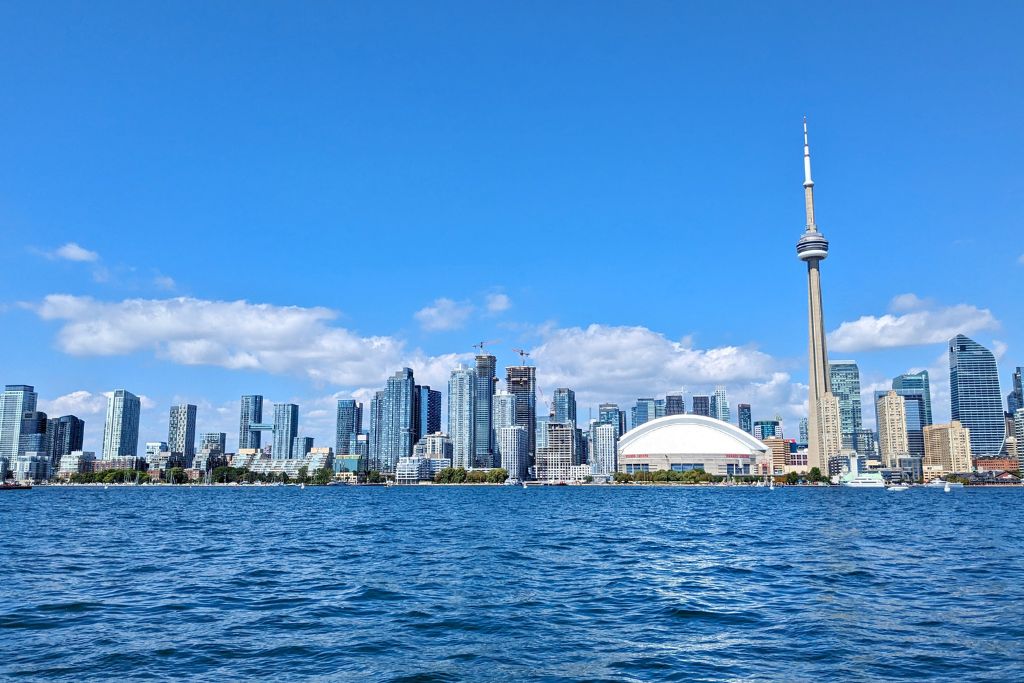
Toronto is Canada’s largest city and the capital of Ontario. It’s known for its cultural diversity, iconic skyline, and major landmarks like the CN Tower. It’s also home to vibrant neighbourhoods, world-class museums, the Toronto International Film Festival (TIFF), and top attractions like Ripley’s Aquarium, the ROM, and the Distillery District.
The best time to visit Canada depends on the type of experience you’re after. July and August are best for warm-weather activities and festivals. September and early October offer stunning fall colours and comfortable weather for hiking, backpacking, and canoeing or kayaking. Whereas for skiing and winter sports, late-December to late-February is the best time to visit Canada’s ski resorts.
Final Thoughts on When To Visit Toronto
So, when is the best time to visit Toronto? The truth is, there’s no single perfect season—it all depends on what kind of trip you’re after.
Summer is ideal for vibrant energy, festivals, and warm weather. Fall offers stunning foliage and a more laid-back atmosphere. Winter brings festive events and cozy charm for those who don’t mind the cold, while spring is great for budget-friendly travel and blooming parks with fewer crowds.
No matter when you visit, Toronto has something special to offer. Pick the season that best matches your interests, and you’re bound to have an unforgettable time in Canada’s most dynamic city.
